Pacific Maritime Security Programme
Supporting security and safety in nine nations
Customer: Australian Defence Force
Contract type: Design and Construct
Location: Samoa, Tonga, Cook Islands, Tuvalu, Kiribati, Fiji, Vanuatu, Palau, Solomon Islands

Fast Facts
- wharf upgrades across nine Pacific Island nations
- custom construction activities at each wharf location
- includes piling, dredging, concrete and steel construction,
- facilities will accommodate new Guardian Class Patrol Boats (GPBs)
Improving marine infrastructure for nine Pacific Island countries as part of the Australian Government’s Pacific Maritime Security Programme (PMSP) fits perfectly with our vision: Providing a Better Life.
This project also demonstrated our ability to deliver logistically challenging marine projects across the Pacific.
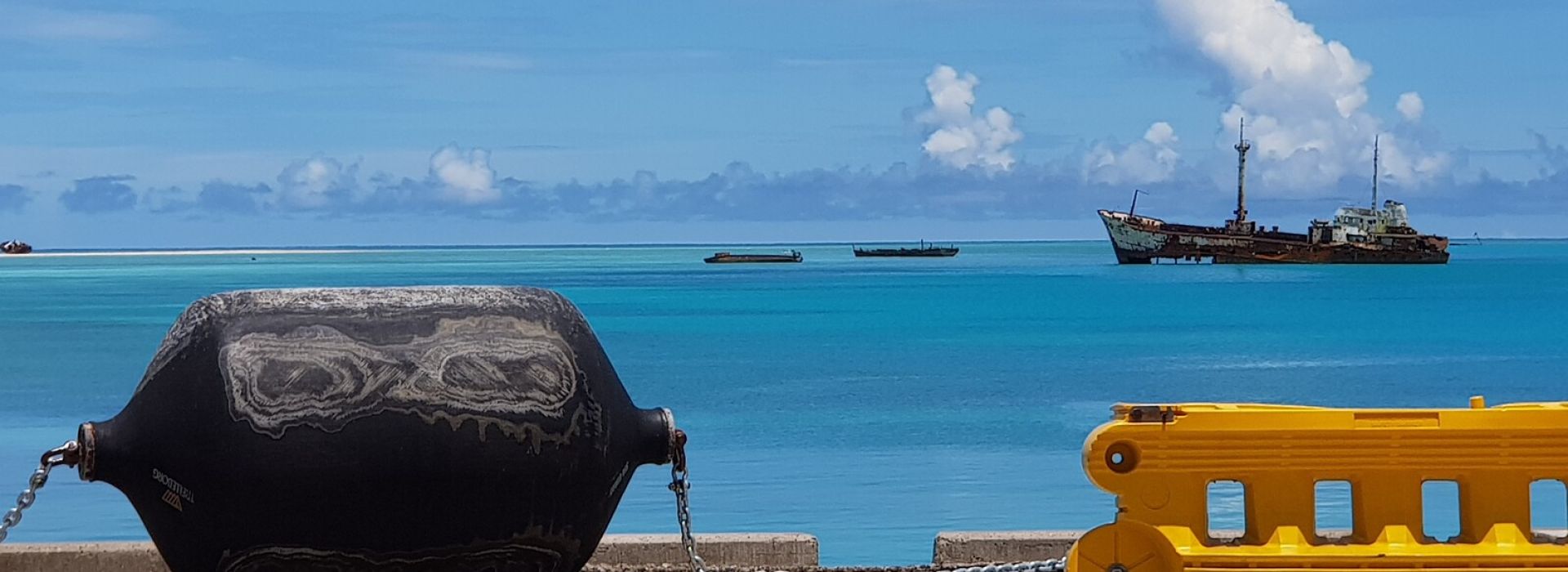
The wharf upgrades were to accommodate the Guardian-class Patrol Boats (GPBs) Australia gifted to the nine nations, which will be used to monitor their exclusive economic zones, help prevent smuggling and illegal fishing, and assist with search and rescue operations.
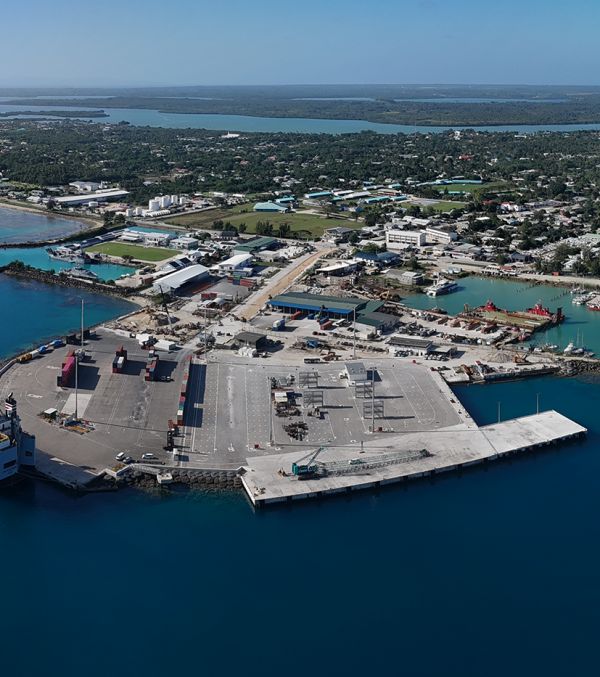
Work was split into nine packages, one package for each island, and each package required a customised engineering solution. The overall scope was to provide safe berthing and mooring facilities, as well as access and services for maintenance and provisioning for the Cook Islands, Fiji, Kiribati, Palau, Samoa, Solomon Islands, Vanuatu, Tonga, and Tuvalu.
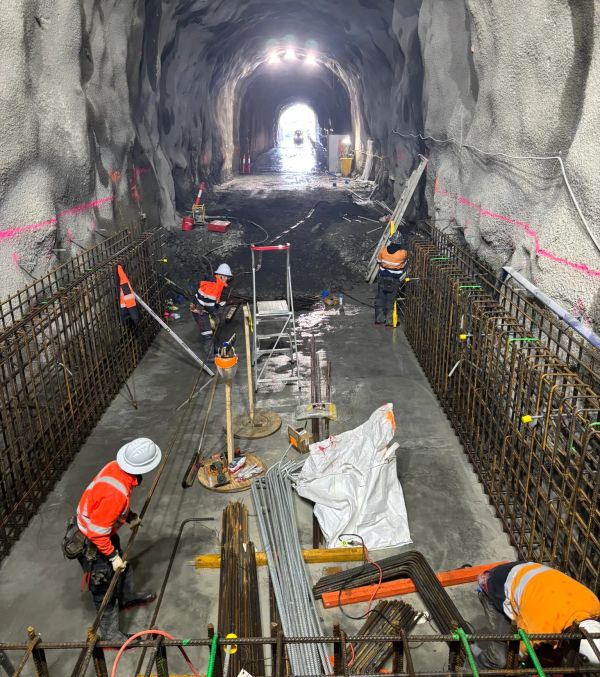
Work generally included piling, sheet piling, installing wharf furniture, electrical and hydraulic services, dredging, structural steelwork, and concreting.
Pandemic impacts
The design and construct contract was awarded by the Australian Government in April 2019. Our project team completed a six-month-long design and procurement period and had mobilised at several sites when the COVID-19 pandemic hit in March 2020.
Construction already underway in Fiji, Tonga, Samoa, Vanuatu, and the Solomon Islands was put on hold, and sites were shut down. When many of the borders reopened around mid-2022, the teams remobilised and restarted construction according to each county’s codes and regulations.
COVID-19 was an unexpected challenge, placing pressure on logistics and labour, but it presented both risks and opportunities.
Staying local
We take a proactive approach to managing risk and look to turn challenges into opportunities. Infrastructure construction in the Pacific presents unique logistical challenges, but local knowledge and strong relationships with local suppliers, built over 50 years working in the region, have inspired some great initiatives.
One example is the on-island concrete batching plant we established in Tonga that minimised environmental impacts and maximised social and economic benefits. Setting up the plant created jobs and opportunities to upskill, and used local materials, all of which contributed to positive, broader social outcomes.
We have also used predominantly local labour on the project, and the team continues to train and develop local workers wherever possible. Social procurement is also important, and the team works hard to find local suppliers. By using local suppliers and finding efficient ways to transport plant and materials, travel can be kept to a minimum, time and cost saved, and the project's carbon footprint reduced.
The full scope of work across all nine Pacific Islands was completed in late 2024.